On this page
A closed mine makes a compelling story, and pink diamonds have one of the best. But a lender cannot advance against a story. It advances against a specific stone whose identity, colour origin, quality and documentation have each been established — and then against a realistic view of who would buy it.
ALYRA considers diamonds and high-value jewellery as security for asset-based loans, subject to valuation, approval, documentation and agreed loan terms. An Argyle pink diamond is assessed individually, with factors such as authenticity, provenance, colour, carat weight, clarity, condition, supporting documents, market demand and likely resale value considered. [3] [4] [5] [14]
If a loan proceeds, the diamond is held securely by ALYRA as security during the agreed loan term. The client remains the owner, and the diamond is returned once the loan has been repaid in accordance with the agreed terms. [15]
Summary
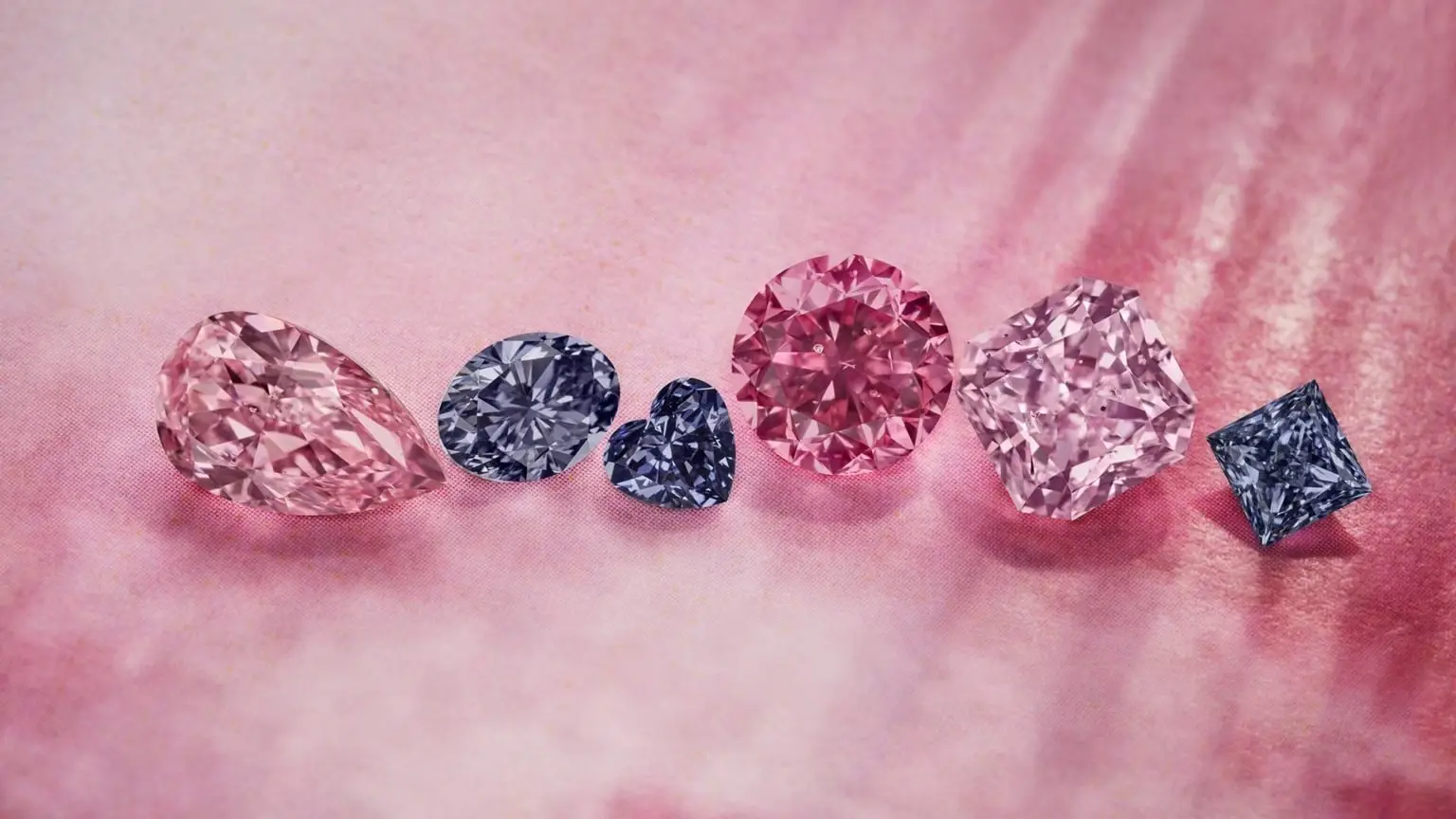
Argyle pink diamonds occupy a distinctive part of the natural coloured-diamond market because of their rarity, documented provenance system and the closure of the Argyle mine in 2020. [1] [2] [3] While the mine was operating, Argyle Pink Diamonds reports that it produced more than 90% of the world's pink-diamond supply. [3]
For lending purposes, the first task is to establish exactly what the diamond is. Argyle documentation and laser inscriptions can help establish provenance, while independent laboratory grading can identify characteristics such as natural or treated colour, colour grade and clarity. [4] [5] ALYRA's process begins with asset details, photographs and available documents before specialist assessment. [16]
ALYRA then considers the asset's value and suitability as loan security, including its condition, documents, market demand and likely resale value. [14] If the loan proceeds, ALYRA holds the diamond securely until repayment, after which it is returned to the owner. [15]
This article does not constitute a valuation, legal opinion, financial advice, credit advice, or a guarantee of loan approval, amount, or terms. Loan amounts depend on individual assessment, market conditions, documentation, and ALYRA's approval process.
If a loan proceeds, your diamond is held as security and is at risk if you do not meet your repayment obligations.
Key takeaways
Who this is for
This article is for owners of loose Argyle pink diamonds, Argyle Tender diamonds and jewellery containing authenticated Argyle diamonds who are considering borrowing against the asset.
It is particularly relevant to owners who have Argyle certificates, laser inscriptions, GIA reports, purchase records or Tender documentation and want to understand what information may be relevant to a lending assessment.
How this was prepared
This article draws on primary information from Argyle Pink Diamonds and Rio Tinto, grading and research material from the Gemological Institute of America, Australian regulatory information and ALYRA's published lending and custody information. [1]–[16]
It provides general information only. Every eligible diamond is reviewed individually, and no particular valuation, loan amount, approval or outcome is guaranteed. [14] [16]
Factors at a glance
| Factor | Why it matters | Effect on assessment |
|---|---|---|
| Argyle provenance | Helps establish whether the diamond has recognised Argyle documentation or an identifiable record. | Provenance information forms part of identification and assessment. |
| Natural colour | Natural and treated colour are materially different gemmological characteristics. | Independent identification of colour origin is important. |
| Colour grade | Colour is the dominant value factor in fancy-colour diamonds. | Small colour differences can materially affect value. |
| Carat weight | Larger fancy-colour diamonds are generally rarer. | Weight is considered together with colour and other characteristics. |
| Clarity | Inclusions affect quality and can sometimes affect durability. | Relevant to the overall quality assessment. |
| Cut and shape | Cutting style can influence how strongly colour appears face-up. | Can affect desirability and value. |
| Documentation | Certificates, grading reports and provenance records assist identification and assessment. | Records assist identification and specialist assessment. |
| Condition | ALYRA considers condition when reviewing eligible assets. | Condition forms part of ALYRA's assessment. |
| Market demand and resale value | ALYRA considers market demand when assessing eligible assets. | Marketability forms part of the lending assessment. |
Why Argyle provenance matters
Rio Tinto's Argyle diamond mine in Western Australia ceased mining on 3 November 2020 after 37 years of operation. [1] Rio Tinto states that the mine produced more than 865 million carats of rough diamonds over its operating life. [2]
Argyle Pink Diamonds states that the mine produced more than 90% of the world's pink-diamond supply while it was operating. [3] Its finest and rarest stones were historically selected for the Argyle Pink Diamonds Signature Tender. [3]
Because pink colour alone does not establish where a diamond came from, provenance is important. Argyle documentation, laser inscription details and other records should be checked when establishing the identity and history of a stone. [4]
Authentication comes before valuation
Argyle Pink Diamonds operates a Diamond Check service that is intended to confirm whether a submitted eligible laser number corresponds with a record in its database. [4]
Under Argyle's historical Chain of Custody Programme, qualifying diamonds were laser inscribed with a unique identification number and issued with Argyle Pink Diamonds Gem Identification and Authenticity documentation. [4]
Argyle introduced a Gem Analysis Service in January 2024 for eligible pink, red, blue and violet diamonds displaying characteristics corresponding with diamonds from the Argyle mine. Argyle states that this certification differs from the original documentation issued through its historical secure chain of custody. [4]
Independent laboratory analysis also has an important role. GIA's coloured-diamond services can report colour grade and clarity and determine whether colour is natural or treated. [5]
Colour is a key factor
Fancy-colour diamonds are valued differently from colourless diamonds. GIA states that colour is the dominant value factor in fancy-colour diamonds and that even slight differences in colour can have a significant impact on value. [6]
GIA evaluates coloured diamonds using attributes including hue, tone and saturation, with fancy-colour grades describing the strength and appearance of the colour. [6] [7]
Even slight differences in colour can have a significant impact on value.
GIA research into 1,065 pink diamonds from Argyle Tenders between 1995 and 2014 found that 95% were graded Fancy Deep, Fancy Intense or Fancy Vivid. [7] This research relates to Tender diamonds rather than the entire production of the Argyle mine, so it should not be used to assume that every Argyle pink diamond has the same characteristics.
Whether the colour is natural is also important. Laboratory analysis can distinguish many naturally coloured diamonds from diamonds whose colour has been treated; GIA research documents sophisticated treatment of fancy pink diamonds. [5] [8]
Size, clarity and cut
Carat weight remains relevant. GIA notes that larger fancy-colour diamonds are generally rarer and more valuable than smaller examples, all else being equal. [6]
That does not mean weight should be considered alone. GIA identifies colour, clarity, cut and carat weight as important quality factors, while Argyle provenance and ALYRA's assessment of condition, documents, market demand and likely resale value add further information relevant to an individual lending assessment. [4] [6] [14]
Clarity can influence value, although GIA notes that colour is generally the dominant factor in fancy-colour diamonds. Inclusions that threaten a diamond's durability can have a more significant negative effect. [6]
Cut also matters because the size, shape and style of a fancy-colour diamond can influence the appearance and intensity of its face-up colour. [6]
Market price and lending value
The amount originally paid for a diamond is useful background information, but ALYRA does not assess high-value assets on a recent sale price, brand or weight alone. For jewellery and diamonds, its published assessment considers factors including stones and carat weight, cut and quality, colour and clarity, certification, condition, market demand, provenance and authenticity. [14]
This distinction matters because ALYRA assesses both the value of the asset and its suitability as loan security before making a loan offer. [14] [16] A purchase price, retail asking price or exceptional auction result should therefore not automatically be treated as the amount available to borrow.
Recent auction catalogues illustrate how individual characteristics are documented. In 2025, Sotheby's offered a ring set with a 1.26-carat Fancy Vivid Purplish Pink, SI2 diamond accompanied by GIA and Argyle documentation and identified as Lot 28 of the 2019 Argyle Pink Diamonds Tender. [10] Christie's has catalogued a 1.45-carat Fancy Intense Pink, SI1 diamond with an Argyle Tender document identifying it as a 2014 Tender stone. [11]
These examples are not direct valuation benchmarks for another diamond; they illustrate the need to compare like with like when considering colour, weight, clarity, provenance, documentation and sale context. [10] [11] The same discipline applies to any published result — ALYRA's guide to reading an auction result sets out what has to be true before one becomes a comparable.
The post-mine diamond market
The closure of the Argyle mine permanently ended new diamond production from that deposit. [1] Argyle Pink Diamonds continues to provide authentication services, including Diamond Check and Gem Analysis, for qualifying stones. [4]
Rio Tinto conducted its final Beyond Rare Tender in 2025. The collection comprised 52 lots of rare diamonds from the Argyle and Diavik operations. [9]
Mine closure means there is no new production from the Argyle deposit, but it does not by itself establish the value of an individual diamond. [1] For lending, ALYRA still assesses the asset itself, including market demand and its suitability as loan security. [14]
How ALYRA assesses diamonds
ALYRA lists jewellery, coloured stones and loose diamonds among the high-value physical assets that may secure an asset-based loan. [14]
The process begins with asset details, photographs and available documents. A specialist then reviews the asset's condition, documents, value, market demand and custody requirements. [16]
For an Argyle pink diamond, relevant material may include an Argyle Gem Identification and Authenticity document or Gem Analysis Report, a laser inscription or lot number, an independent grading report, Tender documentation where applicable, purchase records and proof of ownership, and information about the diamond's current condition. [4] [5] [14] [16]
Where relevant, a PPSR search can identify registered security interests over personal property. Jewellery is included within the PPSR "other goods" collateral class. [12] [13]
If the asset is suitable and the loan is approved, ALYRA states that the written offer sets out the loan amount, fees, interest, repayment terms, redemption rights and what happens if the loan is not repaid. [16]
Secure custody until repayment
When an ALYRA loan proceeds, the asset is documented and held securely for the agreed loan term, subject to custody and insurance terms. [15]
The borrower remains the owner of the diamond. ALYRA holds it as security for the loan. Once the loan has been repaid in accordance with the agreed terms, the diamond is returned to the borrower. [15]
ALYRA states that the asset is at risk if the borrower does not meet the repayment obligations set out in the loan agreement. [15]
What specialists ask
- Do you have an original Argyle Pink Diamonds certificate or Gem Analysis Report? — Argyle documentation may assist in establishing the diamond's identity, provenance and grading information;
- What laser inscription or Argyle lot number is on the diamond? — an eligible number can be checked against Argyle's Diamond Check database;
- Is there a current independent grading report? — independent laboratory analysis can document colour origin, colour grade, clarity and other characteristics;
- What is the diamond's exact carat weight and colour grade? — both are relevant to the quality and rarity of a fancy-colour diamond;
- Is the diamond loose or mounted in jewellery? — the specialist needs to understand exactly what asset is being assessed and its current condition;
- Has the diamond been damaged, repaired, polished or recut? — condition is one of the factors ALYRA considers when assessing an eligible asset;
- Do you have purchase records or Tender documentation? — supporting documents can assist with provenance, ownership and the specialist assessment;
- Is the diamond currently subject to another security arrangement? — existing registered security interests may be relevant and can be investigated through the PPSR where appropriate.
Common mistakes
A diamond's colour does not by itself establish Argyle provenance; available documentation and identifying records should be checked.
Laboratory testing can determine whether a coloured diamond's colour is natural or treated.
Colour, clarity and cut also affect fancy-colour diamond quality and value.
ALYRA considers the present asset, its condition, documents and market demand when making an assessment.
Another diamond may differ materially in colour, size, clarity, provenance, documentation and sale context.
The mine has closed, but ALYRA still assesses the individual asset and its current market demand.
Checklist for the reader
Frequently asked questions
Can I get a loan against an Argyle pink diamond?
Potentially. ALYRA considers diamonds and high-value jewellery as security for asset-based loans. Whether a particular Argyle pink diamond is suitable depends on its authenticity, condition, valuation, documentation, market demand, custody requirements and the applicable loan terms.
How much can I borrow against my Argyle pink diamond?
There is no single amount that applies to every Argyle pink diamond. ALYRA assesses each eligible asset individually and provides a written loan offer only after specialist assessment, subject to valuation, approval, custody, documentation and agreed loan terms.
What makes an Argyle pink diamond valuable?
Important characteristics include colour, carat weight, clarity and cut, together with Argyle provenance and supporting documentation. GIA identifies colour as the dominant value factor for fancy-colour diamonds, while larger stones are generally rarer than smaller examples.
How do I prove my pink diamond is from Argyle?
Start with the diamond's Argyle documentation and laser inscription. Argyle's Diamond Check service is intended to confirm whether an eligible laser number corresponds with a record in the Argyle Pink Diamonds database. Argyle also operates a Gem Analysis Service for qualifying stones, although that service differs from the original Chain of Custody certification programme.
Do I need a GIA report?
An independent grading report can provide important information about a coloured diamond, including whether its colour is natural or treated and its colour grade and clarity. The appropriate documentation will depend on the individual stone and the information already available.
Can I borrow against an Argyle pink diamond ring?
Potentially. ALYRA considers jewellery, coloured stones and loose diamonds as eligible asset categories, subject to specialist assessment. The asset is reviewed for factors including condition, documents, value, authenticity and market demand.
Does ALYRA hold my Argyle pink diamond during the loan?
Yes. If the loan proceeds, ALYRA holds the diamond securely as security for the agreed loan term. You remain the owner of the diamond while the loan is active. Once the loan has been repaid in accordance with the agreed terms, ALYRA returns the diamond to you.
Is my diamond sold while the loan is active?
No public listing, auction campaign or marketplace sale is required while the loan is proceeding normally. ALYRA holds the asset as security during the loan term. The asset is at risk, however, if the repayment obligations in the loan agreement are not met.
Does the closure of the Argyle mine guarantee my diamond will increase in value?
No. The Argyle mine ceased production in 2020, so no new diamonds are being produced from that deposit. Mine closure does not determine the value of an individual stone; ALYRA still considers the asset itself and current market demand in its assessment.
What happens when I repay the loan?
Once the loan has been repaid in accordance with the agreed terms, ALYRA returns the diamond to you. You retain ownership throughout the loan while ALYRA holds the asset as security.
Sources and references
Numbered citations in the article correspond to the sources below. URLs and dated claims were checked on 14 August 2026.
- ↑ Rio Tinto — The iconic Argyle diamond mine delivers its final production
- ↑ Rio Tinto — Diamonds
- ↑ Argyle Pink Diamonds — Company
- ↑ GIA — Natural Colored Diamond Reports & Services
- ↑ GIA — Fancy Color Diamond Quality Factors
- ↑ GIA Gems & Gemology — Exceptional Pink to Red Diamonds
- ↑ GIA Gems & Gemology — Large HPHT-Treated Fancy Pink Diamond
- ↑ Rio Tinto — Final Beyond Rare Tender, 2025
- ↑ Sotheby's — Calleija Fancy Vivid Purplish Pink Diamond Ring
- ↑ Christie's — Unmounted Coloured Diamond
- ↑ Australian Government PPSR — Collateral type and class
- ↑ Australian Government PPSR — Do an individual search
- ↑ ALYRA — Loans against jewellery and diamonds
- ↑ ALYRA — Security and custody
- ↑ ALYRA — How it works

Elijah works across private asset assessment, asset-backed finance and high-value collateral strategy, focusing on how realisable value forms in specialist markets such as diamonds, fine jewellery, fine watches and other private assets.
His approach considers liquidity, condition risk, documentation strength, likely sale channel and time-to-sale rather than advertised price alone.